

March 26, 2026
March 20, 2026
Las Vegas is no longer an emerging sports market. Las Vegas is a top-tier sports destination. Recent data indicate that sporting events in Las Vegas generated approximately $1.85 billion in economic activity and supported growth in spectator sports jobs, which increased 12.4% year over year. (source )
The rapid success of the Vegas Golden Knights, the relocation strength of the Las Vegas Raiders, and the championship dominance of the Las Vegas Aces, widely regarded as the most successful franchise in the WNBA today, have permanently reshaped how Southern Nevada is viewed as a major league franchise city.
Las Vegas has already demonstrated that it can sustain championship-level professional sports, and as we look to the future, basketball is a very REAL possibility.
The National Basketball Association has hosted the Summer League in Las Vegas for nearly two decades. The league understands the market. The market understands the product.
The conversation isn’t whether Las Vegas can support an NBA team.
The more strategic question is:
How would an NBA expansion franchise impact the region’s sports broadcasting, live event production, and broadcast infrastructure ecosystem?
An average NBA franchise generates between $300 million and $400 million annually in total revenue.
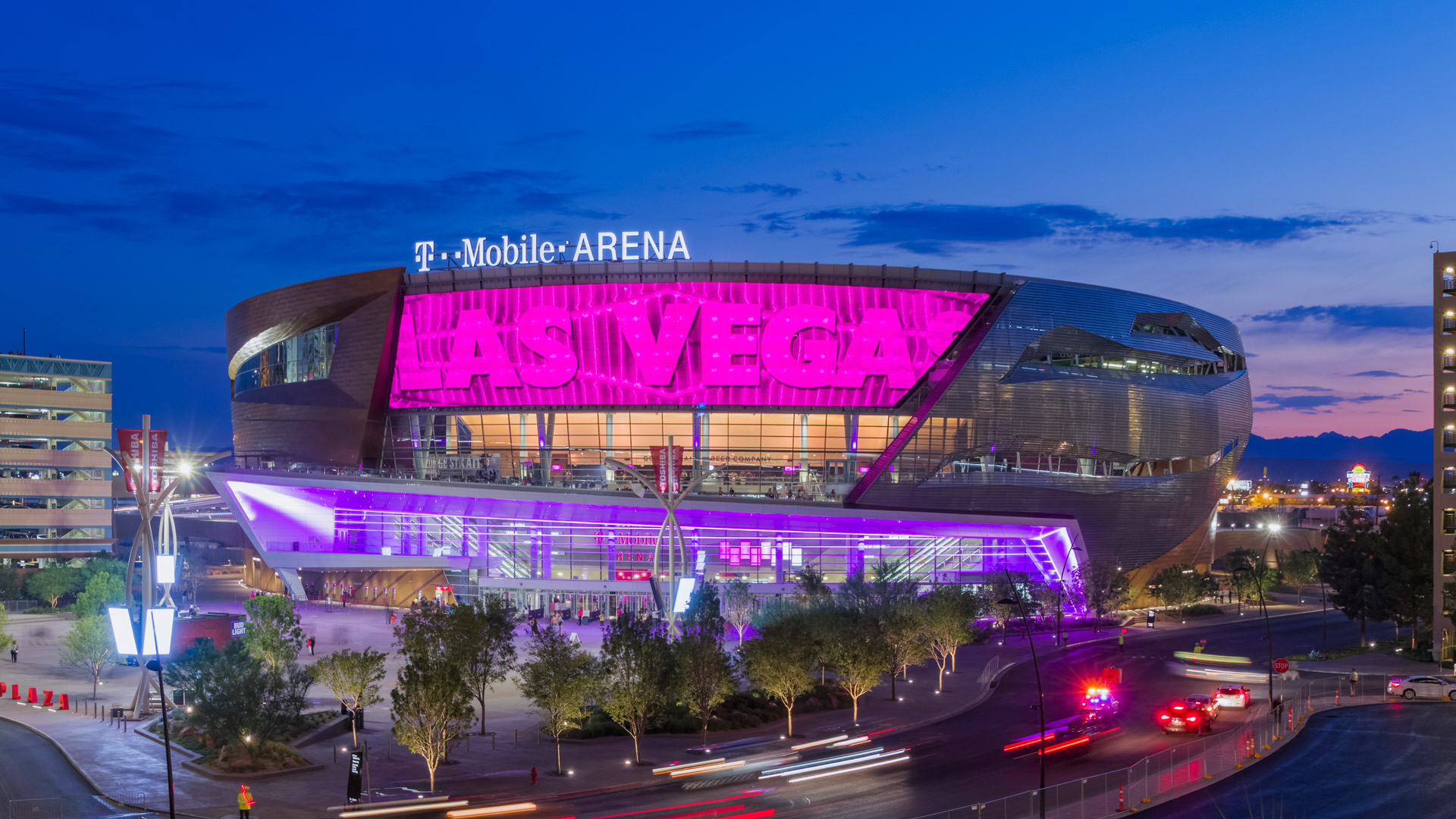
T-Mobile Arena seats approximately 17,500 for basketball. Seating capacity will vary based on the arena selected; if the team is owned by the same group, the numbers will be similar. While league-wide average ticket prices range from $90 to $120, Las Vegas consistently commands premium pricing due to:
Modeling a conservative $130 average ticket:
17,500 seats × $130 × 41 home games
= $93.27 million in regular season ticket revenue
That number excludes playoff games, naming rights, sponsorship integration, broadcast rights revenue share, premium suites, and merchandise. One report estimated that the average sports event attendee spends nearly $1,100 in Las Vegas. (Source )
In Las Vegas, sports operate within the broader entertainment economy. That pricing power directly translates into elevated expectations for sports broadcasting quality, live event presentation, and production value.
The global audio-visual production services market is forecast to expand from roughly $44.8 billion in 2025 to more than $66.6 billion by 2030, reflecting strong demand for live streaming, broadcast-quality AV, and content production. Locally, Nevada’s television production industry alone is estimated at $133.8 million, and Las Vegas hosts major technology events like CES & NAB, which draw roughly 250,000 global attendees focused on broadcast and media technology. Combined with nearly $1.85 billion in annual economic activity tied to sporting events, the production ecosystem in Southern Nevada is already significant — and an NBA expansion franchise would only accelerate demand for sports broadcast infrastructure and live event production services. (Source )
Sporting events in Las Vegas generated around $1.85 billion in economic activity — including hospitality, tourism, and event-related spending — and spectator sports jobs grew 12.4% year-over-year. (Source ) An NBA franchise would only add to the exploding market that is Las Vegas Sports.

Las Vegas is already a season-based sports production market. An NBA franchise would expand that foundation, adding one of the most broadcast-dense schedules in professional sports and accelerating long-term investment in crews, mobile units, and arena broadcast infrastructure.
Forty-one regular-season home games mean 41 guaranteed broadcasts each season, plus pre-season and potential playoff games. In practical terms, that is 50 or more top-tier sports productions annually tied to a single team, bringing the total to over 200 professional regularly scheduled sports broadcasts.
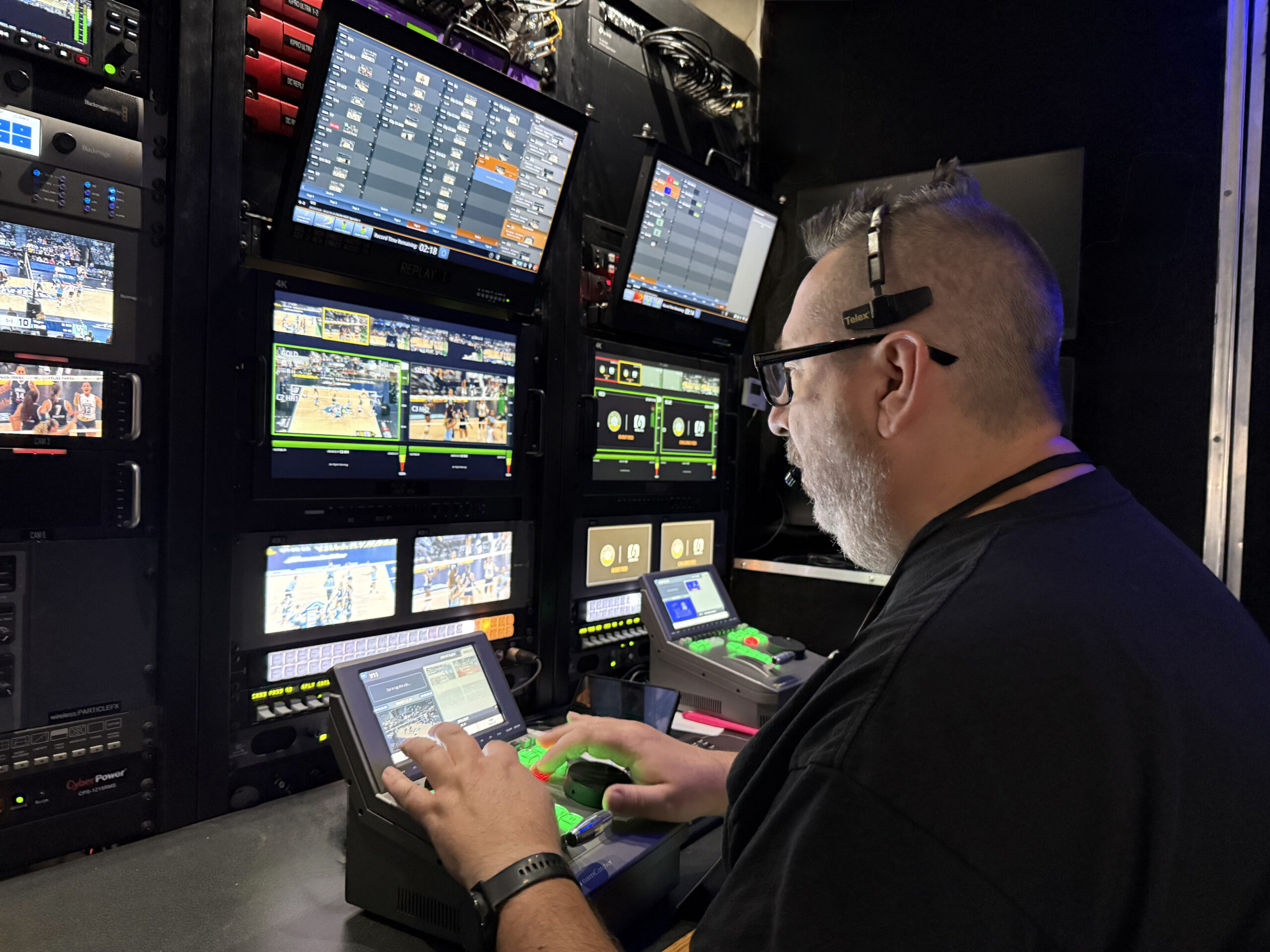
Each game requires multi-camera coverage, replay systems, graphics operations, TDs, audio teams, transmission coordination, mobile production units, and fiber redundancy. That level of work is not conventional AV. It is a national broadcast infrastructure.
Unlike one-off events, these dates are fixed and predictable. That stability changes investment decisions, and helps people plan their lives who work in the industry.

With locked annual inventory, arenas can justify:
Las Vegas already hosts large-scale events. An NBA team would shift the market from episodic broadcasts to permanent sports broadcast operations.
Southern Nevada has a deep event labor pool, but franchise sports create continuity. Replay operators, engineers, technical directors, and camera crews would work within season-long systems rather than on isolated events.
That continuity raises production standards across the region and supports long-term career paths in sports broadcasting.
The impact extends beyond game night. Team content, sponsor integrations, digital programming, and media operations generate steady year-round production volume that strengthens the broader ecosystem.
Las Vegas already hosts the Las Vegas Raiders, the Stanley Cup-winningVegas Golden Knights, the current champions Las Vegas Aces, and even the transfer team Oakland A’s, coming soon. What’s next? NBA.
An NBA franchise would elevate the city into the limited group of true “Big Four” markets — cities that operate as permanent homes to the nation’s top professional leagues.
From a production perspective, the city is equipped to support an NBA franchise today.
Your ball, NBA.

Atomic Television is a Las Vegas-based broadcast and live event production company operating just two blocks off the Strip at 4445 W. Sunset Blvd, Las Vegas, NV. The company provides turnkey sports broadcasting, corporate event production, mobile unit services, and large-scale live streaming solutions nationwide.
Atomic currently works with the National Basketball Association through the NBA Creator Cup and supports productions within the Women’s National Basketball Association ecosystem. The team has also previously supported NBA G League broadcasts, contributing to professional basketball production workflows at multiple levels of the sport.
Beyond basketball, Atomic provides production services for a wide range of professional and emerging sports organizations, including:
Sports production is only one part of the company’s portfolio. Atomic Television also delivers:
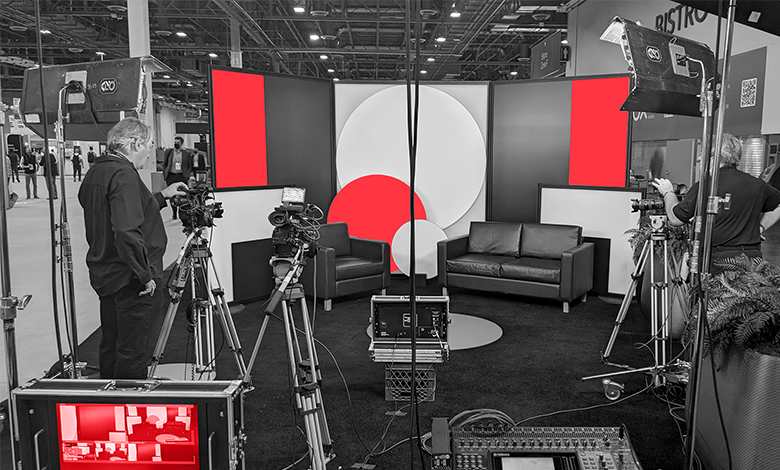
Operating in one of the most event-dense markets in the United States, Atomic Television supports professional leagues, corporate clients, entertainment productions, and large-scale conventions with broadcast-grade execution.
As Las Vegas continues to evolve into a permanent major league market, Atomic Television remains positioned at the center of the region’s live production and sports broadcasting ecosystem.
For more information, visit https://atomic-tv.com or call +1-702-220-9444.


Yes. With tourism-driven ticket demand and premium pricing models, Las Vegas has demonstrated the ability to sustain high-revenue professional franchises.
An NBA franchise would generate approximately 50+ annual broadcasts including regular season and playoffs.
Multi-camera coverage, replay systems, fiber routing, transmission redundancy, and mobile production units are standard for national NBA broadcasts.